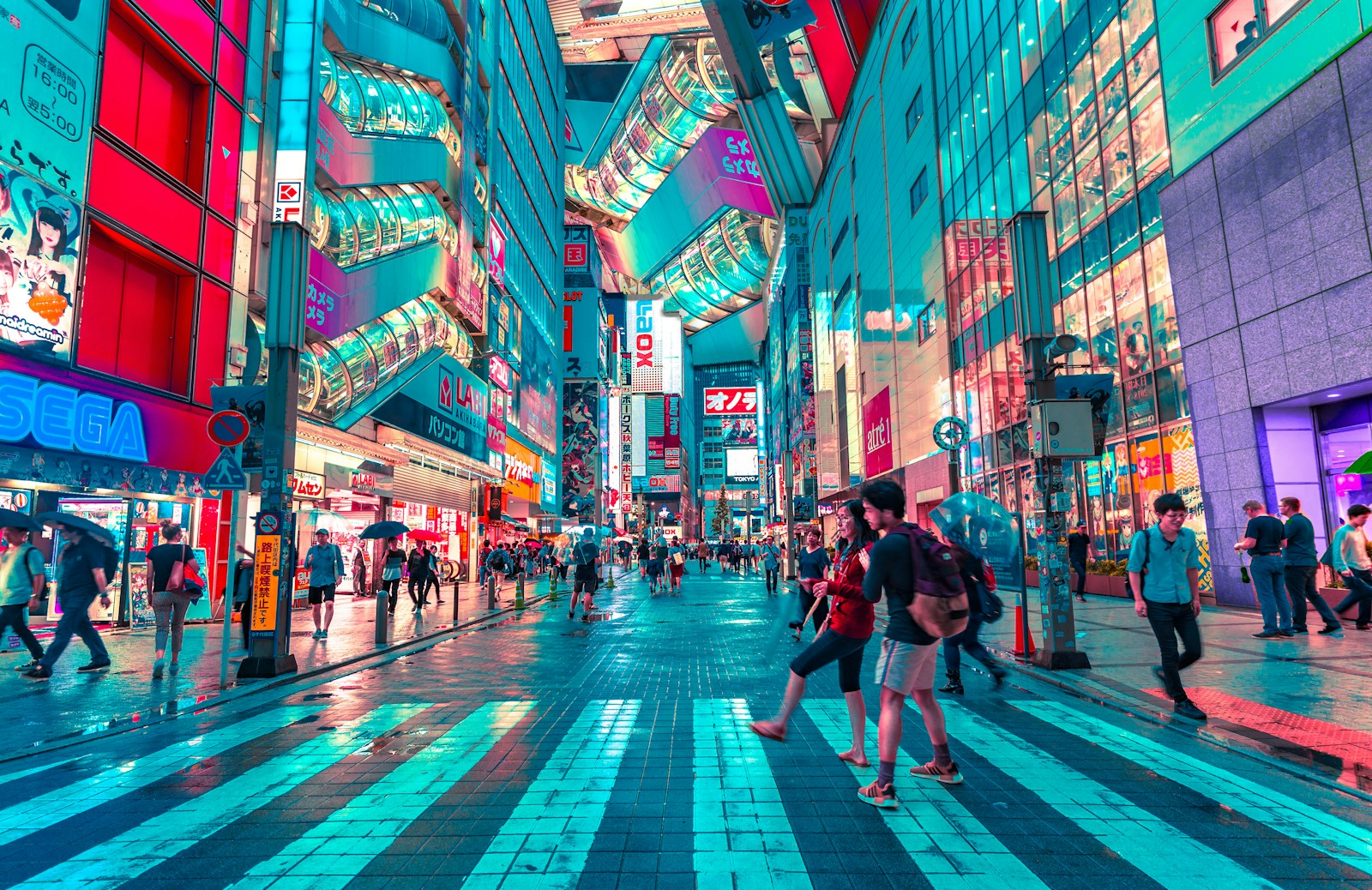
Tokyo is arguably the world's greatest city — and it's almost certainly the hardest to summarise. Thirty-seven million people, 14 Michelin-starred ramen shops, temples that are a thousand years old within metres of robot restaurants, and a level of civic organization and cleanliness that makes every other major city look slightly apologetic. In 2026, Tokyo has added several major hotel openings and the city's new tourism initiatives make it even more accessible for international visitors.
Tokyo's Hotel Neighbourhoods
Shinjuku — The City That Never Sleeps
Tokyo's most electric neighbourhood: Kabukicho entertainment district, Golden Gai (200 tiny bars), Omoide Yokocho (Memory Lane, yakitori smoke), and Shinjuku Gyoen garden. Hotels range from budget capsules to the Park Hyatt (where Lost in Translation was filmed).
Shibuya — The Famous Scramble
The world's busiest pedestrian crossing and the beating heart of youth culture. Good mid-range and luxury hotels (Grand Hyatt Tokyo in Roppongi is a short taxi away). The Shibuya Stream Excel Hotel Tokyu has direct crossing views.
Asakusa — Traditional Tokyo
The most traditional part of central Tokyo: Senso-ji Temple, rickshaws, kimonos, and craft shops. Hotels here are more affordable and the atmosphere is the most authentically old Tokyo. Dormy Inn Asakusa and Wired Hotel Asakusa are favourites.
Marunouchi & Tokyo Station — Central Business
The most convenient transport hub; direct Shinkansen access; Narita Express stops here. The Palace Hotel Tokyo and Marunouchi Hotel are elegant choices with Imperial Palace Garden views.
Ginza — Luxury & Design
Tokyo's most upscale shopping and hotel district. The Bulgari Hotel Tokyo (opened 2023, still the talk of the city) and the Mandarin Oriental Tokyo define the neighbourhood's tone.
Essential Tokyo Experiences 2026
- Tsukiji Outer Market at Dawn — Tuna breakfast at 6am; the finest sushi rice you'll eat in your life
- Shibuya Crossing at Dusk — Watch from the Starbucks window or the newly opened Shibuya Sky deck
- Senso-ji Temple, Asakusa — Tokyo's oldest temple; arrive at 7am before school groups descend
- teamLab Planets — Immersive digital art that defies description; book well ahead
- Shinjuku Gyoen National Garden — Cherry blossoms in March/April; maple leaves in November
- Harajuku & Takeshita Street — Tokyo's fashion subcultures on vivid display; Sunday is best
- Tokyo Skytree — The world's tallest broadcasting tower; views to Mount Fuji on clear days
- Yanaka Old Town — A neighbourhood that survived the war and earthquakes; traditional shops and cats
- Sumo Wrestling at Ryogoku Kokugikan — Three major tournaments per year (January, May, September in Tokyo); tickets sell fast
- Day Trip to Nikko or Kamakura — Giant Buddha or elaborate mountain shrines; both under 2 hours by train
Tokyo Food Guide — Eating Your Way Through
- Ramen — From Ichiran's solo booths to obscure regional varieties; Tokyo has ramen for every mood
- Sushi — A conveyor belt lunch for ¥1,500 or an omakase counter for ¥30,000; both are magnificent
- Tempura at Tempura Kondo — The finest tempura restaurant in the world; book months ahead
- Izakaya Evening — Japanese gastropub; order everything and share; genius food culture
- Convenience Store Food — Lawson, 7-Eleven, and FamilyMart are genuinely excellent; egg salad sandwiches and onigiri are snack icons
Halal note: Halal options in Tokyo are growing rapidly. The Asakusa and Akihabara areas have halal-certified restaurants. Several ramen shops now offer halal broths. The Tokyo Camii (mosque) in Yoyogi is a community hub and can advise on local halal dining.
Book Tokyo Hotels
Tokyo hotels range from ¥3,000 capsule pods to ¥150,000+ luxury suites. Compare live rates at myservice.pk Tokyo Hotels. For our neighbourhood guide and best-value picks, see besthotelsnearme.blog — Tokyo Hotels.